

Technical Facility Management
Technical Facility Management, or Technical FM, is the discipline responsible for planning, managing and maintaining a building's technical systems, from HVAC and electrical installations to security and digital locking, so the building operates safely, efficiently and sustainably. This glossary entry sets out its core responsibilities, the key building systems it covers, and the main routes into a Technical FM career in the UK.
Inhalt:

▶ What is Technical Facility Management?
In short: Technical FM covers all the technical activity needed to keep a building running, going beyond routine maintenance into the strategic planning, modernisation and digitalisation of its systems.
Technical Facility Management is an essential part of Facility Management and encompasses all technical activities required to ensure the effective operation of buildings and estates. It goes beyond conventional maintenance to include the strategic planning, modernisation and digitalisation of technical building systems.
Today's buildings comprise highly complex systems, from heating, ventilation and air conditioning (HVAC) to security systems and intelligent building controls. Effective Technical FM ensures that these components operate reliably, supports energy efficiency and helps organisations meet relevant safety requirements.
▶ Responsibilities of Technical Facility Management
In short: Technical FM spans four core areas, maintenance and repairs, energy management, security management and facility information management, each increasingly shaped by digital tools.
Technical Facility Management covers a broad range of responsibilities, from maintaining technical systems to optimising energy and security strategies. As sustainability becomes increasingly important, Technical FM has an even greater role to play, with smart technologies and automated processes helping to reduce energy consumption.
At the same time, the growing emphasis on security, including the use of electronic locking systems, requires close collaboration between Facility Managers, IT specialists and security professionals.
Efficient operation depends on accurate planning and regular inspection of all systems.
❯ Maintenance and repairs
One of the primary objectives of Technical FM is to ensure the continuous availability of all technical systems. This includes:
- Regular maintenance: preventive measures designed to reduce the risk of failures.
- Repairs and fault rectification: rapid response to technical faults.
- Modernisation: replacing outdated technology to improve efficiency, reliability and service life.
The challenge is to develop an effective maintenance strategy that balances cost efficiency with technical requirements. In critical environments such as hospitals and large office complexes, failures affecting heating, ventilation or power supplies can have serious operational consequences.
❯ Energy management
With rising energy costs and increasingly ambitious climate targets, energy management is becoming an increasingly important aspect of building operation. Technical FM responsibilities in this area include:
- Analysing and optimising energy consumption.
- Using modern metering and control technology to automate building systems.
- Integrating renewable energy sources such as solar photovoltaic systems and geothermal energy.
Smart Building Management Systems can offer significant opportunities to reduce consumption, as explored in our guide to smart building management systems. Digital twins and AI-supported control systems can also help adjust energy use in real time and minimise unnecessary consumption.
❯ Security management
Protecting people, data and physical assets is a central aspect of Technical Facility Management. Key areas include:
- Fire safety and emergency management.
- Intruder detection and surveillance systems.
- Access control and digital locking systems.
As buildings become increasingly connected, new challenges arise. Modern access control systems need to address both physical security and data-protection requirements. Electronic locking systems play an important role in achieving this.
❯ Facility Information Management
Effective management of building information is essential for optimising operational processes. Building Information Modelling (BIM) can be used to:
- Manage as-built information digitally.
- Automate the planning of maintenance cycles.
- Analyse building usage to improve space management.
These digital solutions are particularly valuable for large estates or diverse building portfolios, where they improve transparency and support better-informed decision-making.
▶ Key components and systems in Technical FM
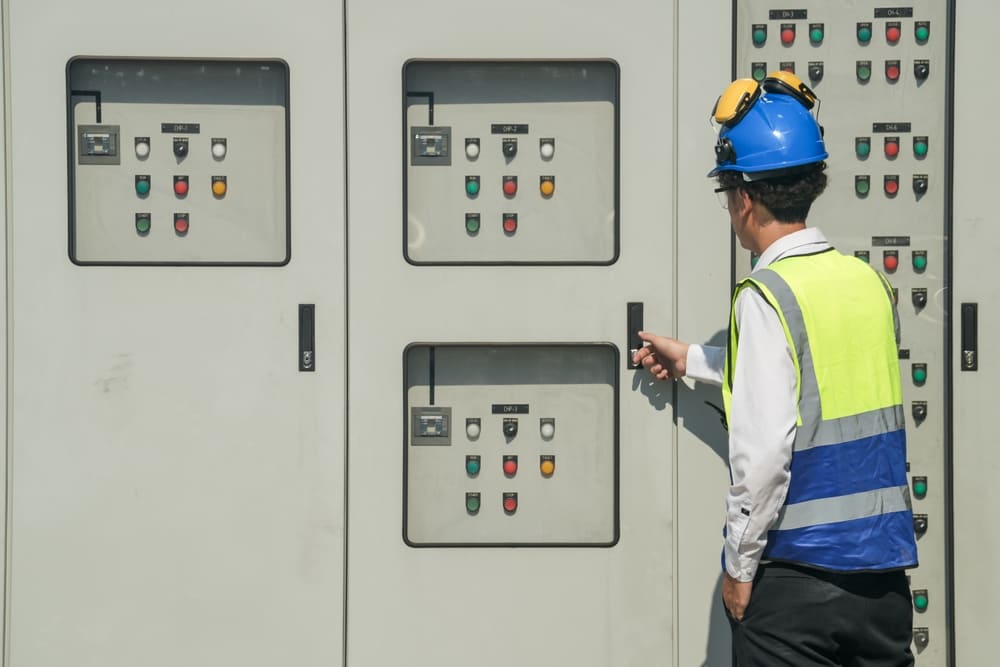
Modern buildings contain numerous technical systems that need to work together seamlessly. Technical Facility Management ensures that these components, from HVAC installations to security systems, operate effectively and meet applicable requirements.
❯ Heating, ventilation and air conditioning (HVAC)
HVAC systems are essential to maintaining comfortable indoor conditions and good indoor air quality. Modern systems increasingly use energy-efficient technologies such as heat recovery and smart controls to reduce energy consumption.
❯ Electrical systems and lighting
This area includes not only conventional electrical power distribution but also intelligent lighting systems, which can be controlled according to factors such as available daylight.
❯ Water and drainage systems
Effective water-management systems can help reduce water consumption and maintain appropriate hygiene standards, particularly in sensitive environments such as hospitals.
❯ Lift systems
Regular maintenance and modernisation of lifts is not simply a matter of convenience. It is also essential for safety and for meeting applicable UK legal and technical requirements.
❯ Security systems: electronic locking systems and access control
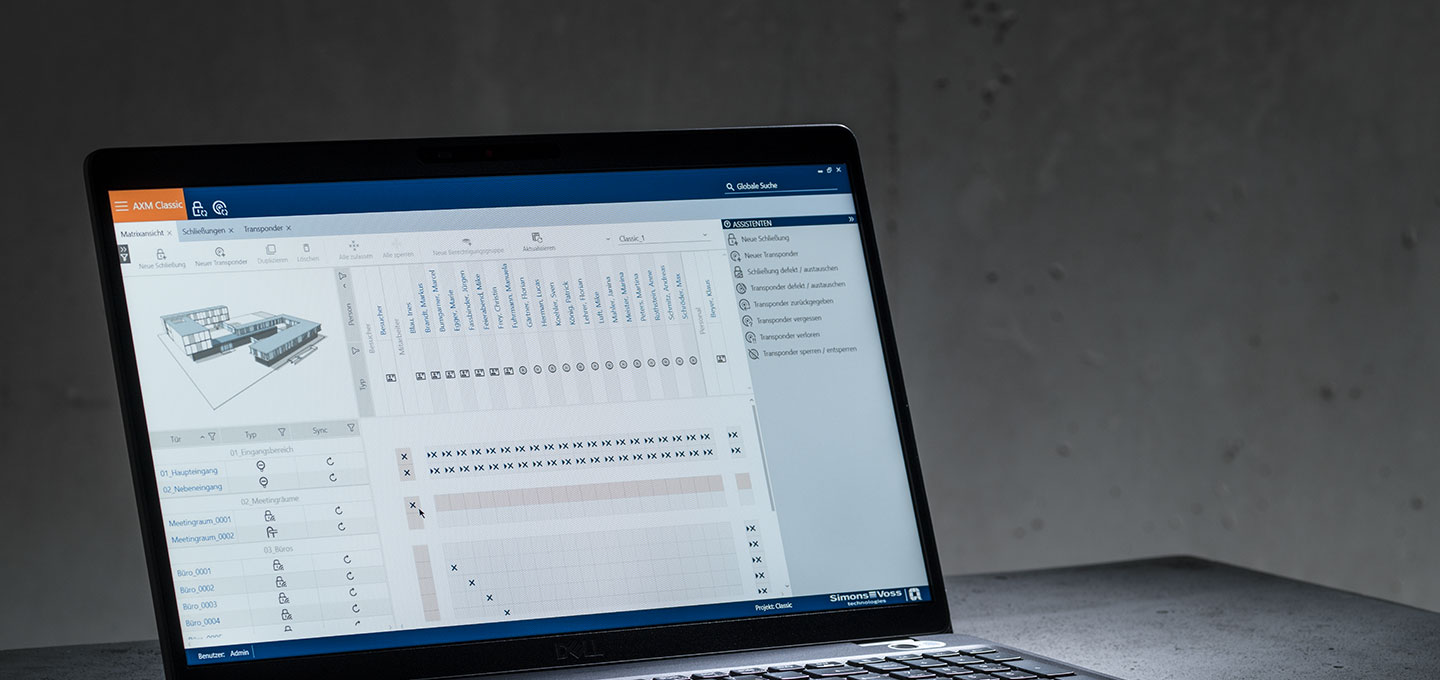
The management of access control and locking systems is a particularly important area of Technical FM. Traditional mechanical locking systems increasingly give way to electronic access control solutions using digital credentials, of the kind explained in our glossary entry on locking technology.
For Facility Management teams, this offers significant operational advantages. Access permissions can be managed centrally and adapted as requirements change. If an electronic credential is lost, it can be blocked rather than requiring extensive changes to a mechanical master-key system, an approach explained further in our glossary entry on the keying schedule.
Digital access management is particularly valuable in complex buildings and estates where employees, contractors, service providers and visitors require different levels of access.
▶ Careers in Technical Facility Management
In short: Technical FM offers three broad routes in, vocational and apprenticeship training, an academic degree, and postgraduate specialisation for senior roles, reflecting how the discipline blends engineering, commercial and digital skills.
Technical Facility Management offers a wide range of career opportunities because it combines technical expertise with commercial and organisational responsibilities. Depending on their interests and qualifications, professionals can enter the sector through vocational training, apprenticeships or higher education.
❯ Vocational and apprenticeship routes
For those seeking a practical route into the profession, relevant UK apprenticeships and vocational qualifications can provide a suitable foundation.
Potential career paths include roles in:
- Building services engineering: maintaining and servicing technical building systems.
- Electrical installation and building services: installing, maintaining and controlling electrical systems.
- Heating, ventilation and air conditioning: installing and maintaining heating, ventilation and climate-control systems.
Following their initial training, professionals can develop their expertise through further vocational qualifications, professional development or higher education.
❯ Facility Management degrees
An academic route into Technical Facility Management is available through degrees in Facilities Management, Building Services Engineering and related disciplines.
Depending on the programme and institution, undergraduate courses may lead to qualifications such as a Bachelor of Science (BSc) or Bachelor of Engineering (BEng). Course content may include:
- Technical subjects: building services, building physics, sustainability and energy management.
- Business fundamentals: property management, finance, accounting and project management.
- Legal and organisational topics: procurement, tendering and Facility Information Management.
Practical experience is also an important part of many degree programmes, with placements, industry projects and other forms of work-based learning providing valuable exposure to real-world Facility Management environments.
❯ Continuing professional development and postgraduate study
Professionals seeking specialist or senior management roles can continue their development through postgraduate qualifications, professional training and industry certifications.
Relevant areas of specialisation may include:
- Risk management and property valuation.
- Sustainable construction and energy efficiency.
- Space and project management.
- Technical and infrastructure-related Facility Management.
Postgraduate qualifications and relevant professional experience can support progression into senior roles within larger organisations, property companies, FM service providers and public-sector estates.
❯ Career prospects and salaries
Demand for professionals with Technical Facility Management expertise continues to be driven by increasing building complexity, digitalisation, sustainability objectives and growing requirements in areas such as security and energy management.
Typical employers include:
- Housing providers and property management companies.
- Engineering consultancies and Facility Management service providers.
- Hospitals, shopping centres and public-sector organisations.
- Industrial companies with large production facilities and office estates.
Career opportunities and remuneration vary considerably according to qualifications, experience, responsibilities, sector and location.
▶ Technical FM: a career with a future
Technical Facility Management combines engineering, commercial management and sustainability and offers a broad range of career paths, from technical specialists to senior Facility Management professionals.
As intelligent building technology and digital locking systems become increasingly important, expertise in these areas is also becoming more relevant.
Modern Technical Facility Managers need to understand more than heating, electrical systems and fire safety. Digital access control is now an important part of day-to-day building management. Requirements for security, flexibility and auditability continue to increase, making electronic locking systems such as SimonsVoss System 3060 a valuable solution for modern access management.
SimonsVoss provides practical training covering its digital locking technology. Training ranges from introductory product courses to advanced training for system administrators, helping users develop the knowledge required for professional system operation.
FAQ
What is the difference between Facility Management and Technical Facility Management?
Technical Facility Management is the technical discipline within the broader field of Facility Management, focused specifically on planning, managing and maintaining a building's technical systems, such as HVAC, electrical, security and lift systems, rather than the wider commercial or soft-services side of running a building.
What qualifications do you need to work in Technical Facility Management?
There are several routes in: UK apprenticeships and vocational qualifications in areas such as building services engineering or HVAC, an undergraduate degree in Facilities Management or Building Services Engineering, or postgraduate study for specialist or senior roles. Employers place different weight on each route depending on the seniority of the position.
Does Technical Facility Management include digital locking and access control?
Yes. Security management, including access control and digital locking systems, is one of the core responsibility areas within Technical FM, alongside maintenance, energy management and facility information management.
Why is energy management part of Technical Facility Management?
Rising energy costs and climate targets have made energy consumption a core operational concern, so Technical FM teams are responsible for analysing and optimising energy use, deploying modern metering and control technology, and integrating renewable energy sources where appropriate.
Would you like to learn more about digital locking systems in Technical Facility Management?
Get in touch to attend one of our training courses or request our information material.