

Locking Technology
Locking technology is the umbrella term for the mechanisms and systems used to lock and unlock doors, windows and other access points, and it falls into three broad categories: mechanical, mechatronic and digital. This glossary entry works as the starting point for the rest of our locking glossary: it defines the core components every locking system shares, looks at where the technology is heading, and clarifies how "locking technology" differs from the related terms "locking system" and "security technology".
Inhalt:
▶ Definition: Locking technology
In short: locking technology covers three broad categories, mechanical, mechatronic and digital, distinguished by how much of the locking decision is made electronically rather than by a physical key.
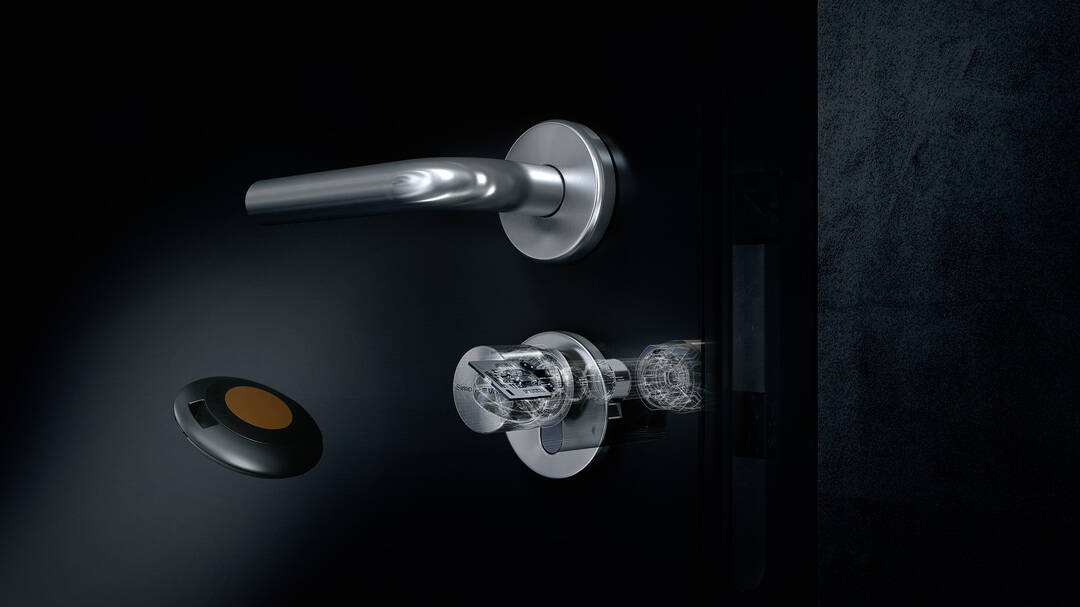
The term locking technology encompasses the mechanisms and systems used to lock and unlock doors, windows and other access points. The three most common categories are set out below.
- Mechanical: traditional locks and keys based on physical movement and mechanical components, covered in detail in our glossary entry on types of door locks.
- Mechatronic: innovative combinations of mechanical elements and electronic components that provide additional security and convenience features.
- Digital: electronic systems that control access using cards, transponders, codes or biometric authentication, enabling a high degree of personalisation and security. Our glossary entries on electronic door locks and NFC locks cover two common forms of this category in more detail.
▶ Components of locking technology
In short: every locking system is built from the same broad components, cylinders, credentials, coordinating locking systems and, increasingly, electronic access control, whether mechanical, mechatronic or digital.
Locking systems comprise a range of common components. How effectively these components work together has a major impact on the overall level of security. Each component performs a specific role and contributes to the overall operation of the security system.
The result is an interconnected system of mechanical and electronic components designed to combine robust security with ease of use.
❯ Locking cylinders
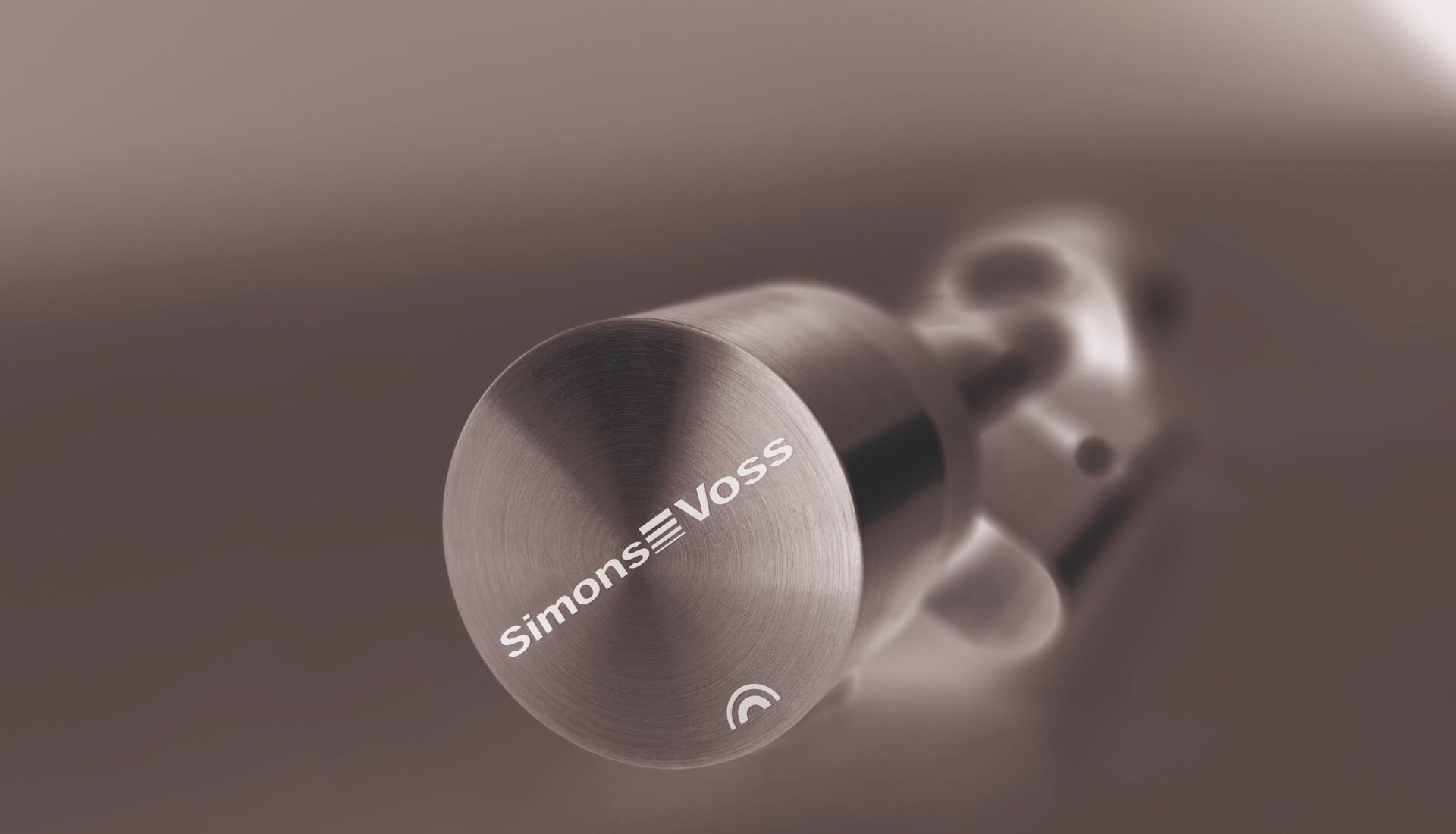
Locking cylinders are a core component of many locking systems and incorporate the mechanism used to control authorised operation of the lock.
They vary considerably in complexity and security level, ranging from standard cylinders to high-security cylinders incorporating additional protection against attack methods such as drilling, picking and bumping, up to fully digital locking cylinders.
❯ Keys and electronic credentials
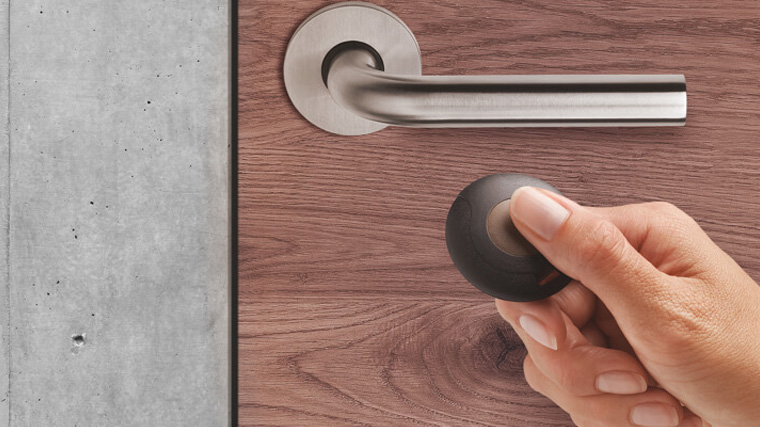
Traditional metal keys remain widely used, but electronic credentials such as transponders and smart credentials are increasingly being used as an alternative.
Modern electronic credentials can use technologies such as RFID (Radio Frequency Identification) and NFC (Near Field Communication) to enable contactless authentication.
❯ Locking systems
Locking systems manage access to multiple rooms or areas through a coordinated key or electronic credential structure.
In more complex mechanical locking systems, such as those used in office buildings or multi-occupancy residential properties, master-key systems allow individual keys to operate only specified doors.
For example, residents may use the same key to enter their own flat and shared areas such as a laundry room, while being unable to access storage areas allocated to other residents. Our glossary entry on the keying schedule explains how this kind of access structure is documented and managed.
❯ Electronic access control systems
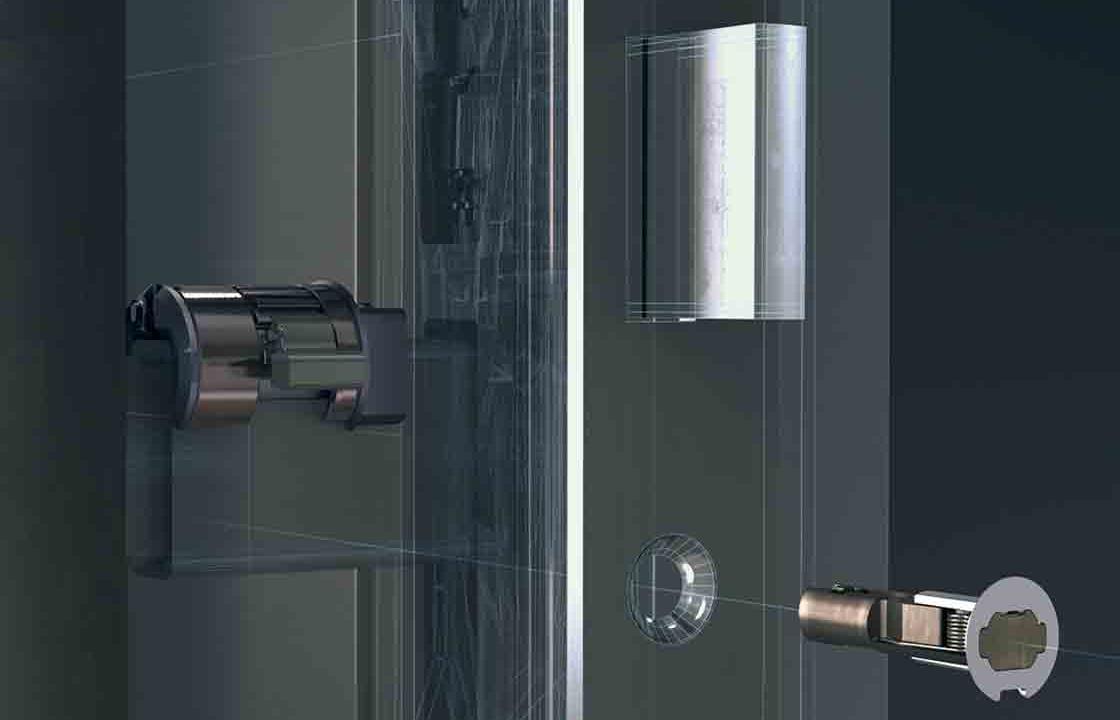
Digital access control systems can incorporate card readers, PIN keypads, biometric readers and smartphone-based solutions.
Depending on the technology used, users can authenticate themselves using an electronic credential, a PIN or biometric characteristics such as a fingerprint, facial features or iris patterns.
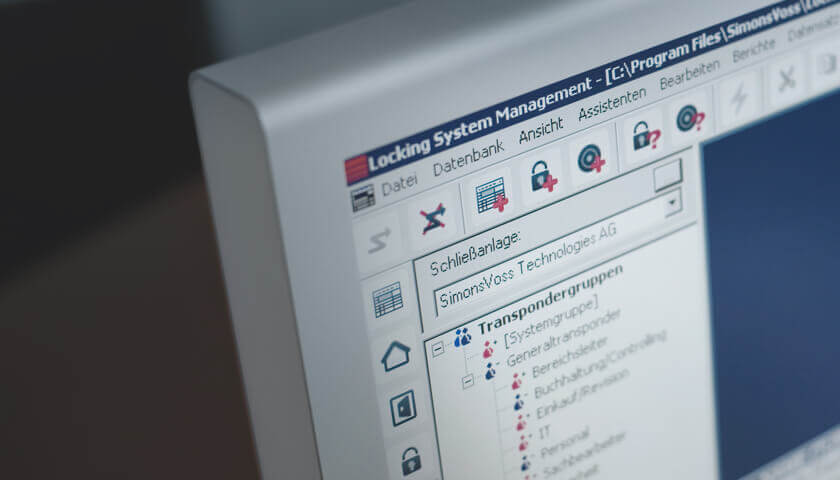
Centralised management can significantly increase operational flexibility and security. If an electronic credential is lost, for example, its access permissions can be revoked immediately rather than requiring the physical locking hardware to be replaced simply because the credential is missing, an approach used across systems such as System 3060.
▶ Developments and challenges
In short: locking technology is shifting from standalone mechanical hardware towards connected, mechatronic and digital systems integrated with smart-building infrastructure, which brings cybersecurity and data protection into scope alongside physical security.
Security is a continual process of responding to new risks and methods of attack. To meet growing expectations around both security and user convenience, locking technology must continue to evolve.
Developments in electronic locking technology are currently playing a particularly important role. The continuing shift towards digitalisation and the integration of smart-building technologies are creating new opportunities for locking and access control across a wide range of sectors.
- From mechanical systems to digitally controlled mechatronic solutions: The introduction of digital technology into locking systems has enabled significant improvements in both security management and usability. Digital locking solutions can provide functions such as remote management, time-controlled access permissions and access-event logging. They can also incorporate advanced authentication methods, including biometrics.
- Integration with smart systems: Digital locking technology can form part of wider building automation and smart-building systems, as covered in our guide to smart building management systems.Locking devices can be managed through centralised software or smartphone applications and coordinated with other automated building functions. For Facility Management teams, this can enable access management to become part of a wider building-security and operational strategy rather than remaining an isolated system.
- Digital security risks: As locking technology becomes increasingly digital and connected, cybersecurity and data protection become important considerations.Connected access control systems need appropriate protection against unauthorised access, manipulation and compromise. Where systems process information relating to identifiable users, for example access-event records or biometric identifiers, appropriate data-protection measures are also required.

▶ Distinction from related security terms
In short: locking technology is the mechanisms themselves, a locking system is how those mechanisms are coordinated across a building, and security technology is the broader category that also includes alarms, CCTV and sensors.
Although the terms are sometimes used interchangeably, locking technology, locking systems and security technology refer to different concepts:
- Locking technology: the mechanisms and systems used to secure and release doors, windows and other access points.
- Locking system: a coordinated system that controls access to multiple doors or areas within a building or site. This can range from a straightforward mechanical master-key system to a complex digital system with individually assigned access permissions.
- Security technology: a broader category encompassing locking and access control as well as other protective systems, including intruder alarms, CCTV, motion detectors, sensors and integrated security-management systems.
▶ Locking technology in the context of modern security requirements
As part of the wider field of security technology, locking technology encompasses the development, implementation and management of locking systems. It uses both mechanical and electronic solutions to control access.
It is a dynamic field characterised by continuous innovation. Effective interaction between the individual components is fundamental to creating access solutions that are both secure and convenient.
As locking technology becomes increasingly integrated into smart-building systems and new challenges emerge in a connected world, it continues to play a central role in modern building security and access management. Explore the full range of future-ready SimonsVoss digital locking systems.
FAQ
What are the three main types of locking technology?
Mechanical, mechatronic and digital. Mechanical locks rely purely on physical components and a cut key. Mechatronic locks combine mechanical elements with electronic components for added security and convenience. Digital locks control access electronically using cards, transponders, codes or biometric authentication.
What is the difference between locking technology and a locking system?
Locking technology refers to the mechanisms themselves, the cylinders, credentials and access control components. A locking system is how those mechanisms are coordinated across multiple doors or areas within a building or site, ranging from a simple mechanical master-key arrangement to a fully digital system with individually assigned permissions.
Is locking technology the same as security technology?
No. Security technology is the broader category, and it includes locking and access control alongside other protective systems such as intruder alarms, CCTV, motion detectors and sensors.
Does digital locking technology bring new security risks?
As locking systems become more connected, they need appropriate protection against unauthorised access, manipulation and compromise, in the same way as any other networked system. Where a system processes information relating to identifiable users, such as access-event records or biometric identifiers, it must also meet applicable data-protection requirements.
Would you like to find out more about digital locking technology?
Get in touch and we will help you identify the future-ready locking technology that fits your building.
Would you like to find out more about digital locking technology?