“Another key has gone missing?”
Lost or copied keys put collections at risk. Block the lost credential in seconds, with no new cylinders and no work on historic doors.


Heritage sites, museums, galleries and historic buildings need access control that strengthens security without compromising architectural integrity or the visitor experience. SimonsVoss wireless digital locking helps heritage organisations protect collections, manage access and modernise security with minimal disruption to historic environments.
An access control system for heritage sites and museums replaces mechanical keys with digital locks and credentials, so you decide who can open each door, and when. SimonsVoss fits wireless digital cylinders and smart handles to existing doors without cabling, so you can protect archives and collections, give conservators and contractors time-limited access and block a lost credential in seconds.
Whether you manage a single museum or a multi-site heritage estate, you control who can access specific areas, when permissions apply and how access is managed across every building.
Operators must balance public access with protecting collections, archives, restricted areas and historic fabric. Digital access control handles it from one place.
Lost or copied keys put collections at risk. Block the lost credential in seconds, with no new cylinders and no work on historic doors.
Restrict archives and collection stores to authorised staff, and see every entry in the audit trail.
Give conservators and contractors permissions that open only the doors they need, for the days they need them.
Create time-limited access for exhibition set-up, private events and temporary staff.
Select an area to see the SimonsVoss component typically used there, and why. Every building is different, so your specialist confirms the right setup door by door.
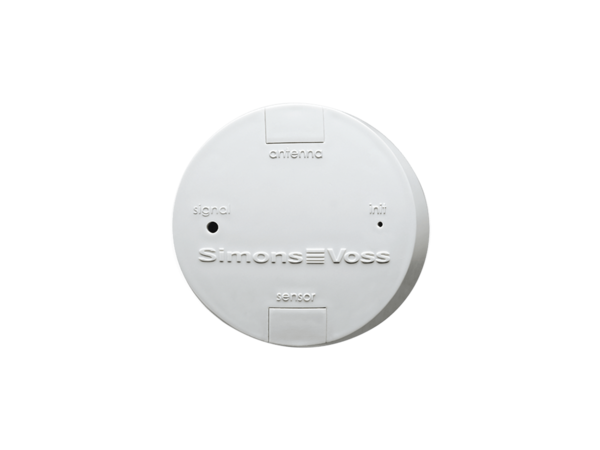
Keep the entrance open to visitors during opening hours and secure the rest of the time. The SmartRelay controls your existing electric door openers, with time profiles set centrally.
Give curators, conservators and staff access to their own areas, changed centrally as people and projects change.
Restrict archives and historical records to authorised staff, with every opening recorded.
Protect stored collections and restricted materials, and give conservators time-limited access when they need it.
Staff open their own locker with the credential they already use for doors. No more lost locker keys.
Secure gallery doors out of hours. Digital cylinders fit existing lock cases, which helps on historic doors where alterations are not an option. Your specialist checks fire and escape requirements door by door.
Limit plant and IT rooms to your team and approved contractors, with a full audit trail.
Open loading doors, gates and barriers for staff and contractors with the same credentials, limited to set times where needed.
Every component is managed in one software, either LSM or AXM. Both can manage anything from a single door up to 64,000 doors and credentials.
Start with a few critical doors, such as archives and collection stores, and expand across your site or estate whenever you are ready. Our team will help you plan it.
Museums, listed buildings, archives and event spaces each need a different balance of public access, conservation and control.
Protect valuable collections while supporting smooth visitor operations and staff access management.
Typical components
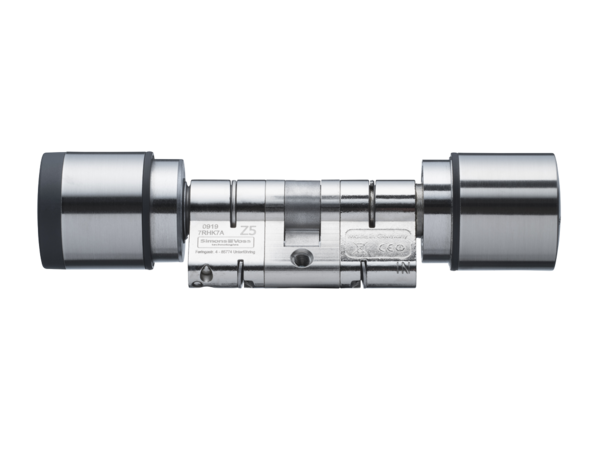
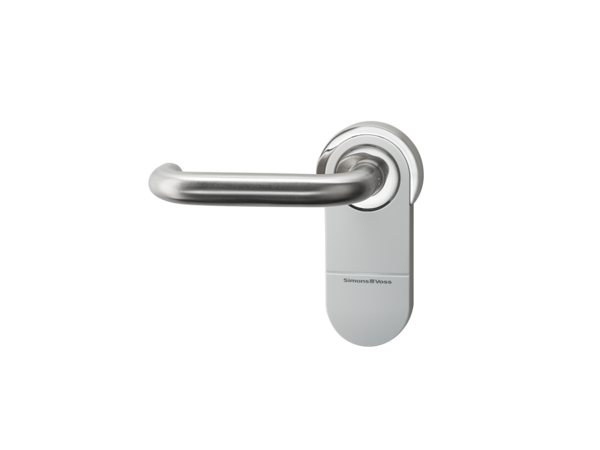
SmartHandle AXDigital Cylinder AXLSM softwareModernise security without compromising architectural heritage or requiring invasive building work.
Typical components
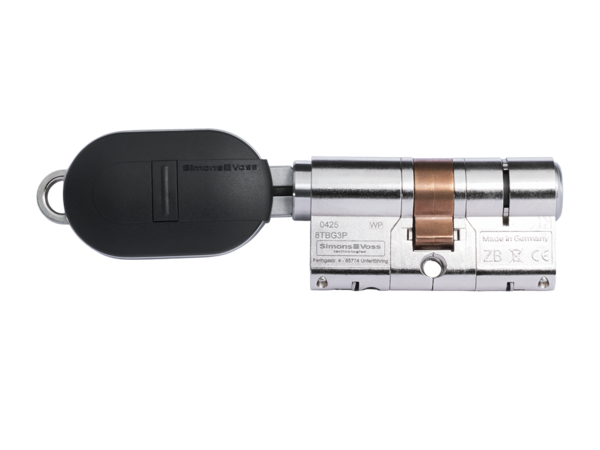
Digital Cylinder AXDigital SmartRelaySystem 3060Protect sensitive collections, historical records and restricted materials with secure digital access control.
Typical components
Digital Cylinder AXElectronic furniture locksAX ManagerManage temporary access for exhibitions, private events, contractors and operational teams.
Typical components
SmartHandle AX AdvancedSmart cardsMobileKeyHow SimonsVoss digital locking compares with a traditional key system on the issues heritage organisations raise most.
| Challenge | Mechanical keys | SimonsVoss digital access control |
|---|---|---|
| Protecting historic architecture | Rewiring and new hardware on historic doors | Wireless, low-impact installation |
| Lost or copied keys | Replace cylinders and cut new keys | Instantly revoke digital credentials |
| Archive and collection security | No record of who opened the door | Restricted access management |
| Temporary exhibition access | Hand over keys and hope they come back | Time-limited permissions |
| Multi-building estate management | Separate key systems for every building | Centralised access control |
| Contractor and conservator access | Keys signed out at reception | Flexible temporary credentials |
| Visitor-facing operational complexity | Doors are either locked or open | Simplified access management |
SimonsVoss systems fit into occupied historic buildings without disruption, in four steps.
Digital cylinders and smart handles replace existing locks, typically without wiring or major building work.
Define who can open which doors, and when, by role: curators, conservators, volunteers, event staff and contractors.
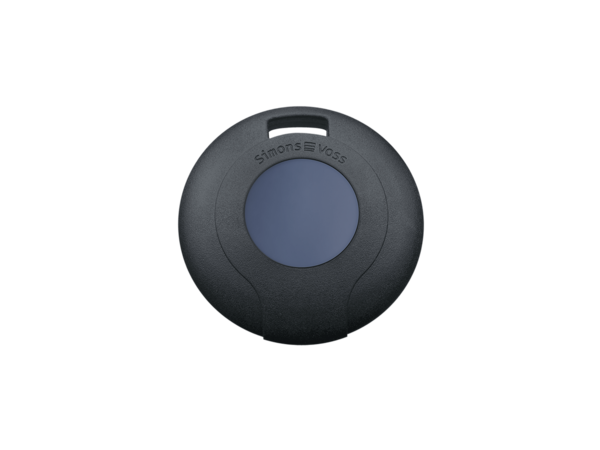
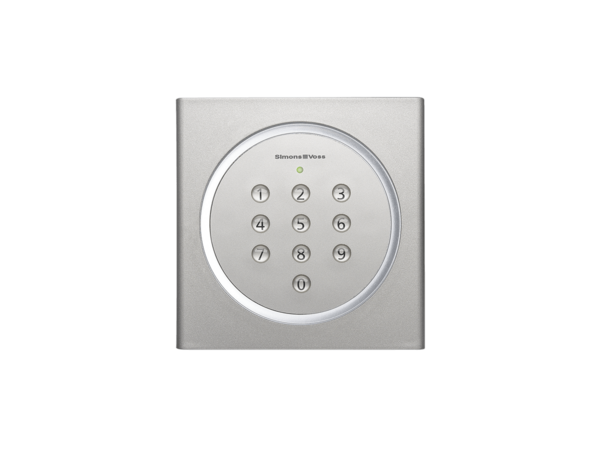
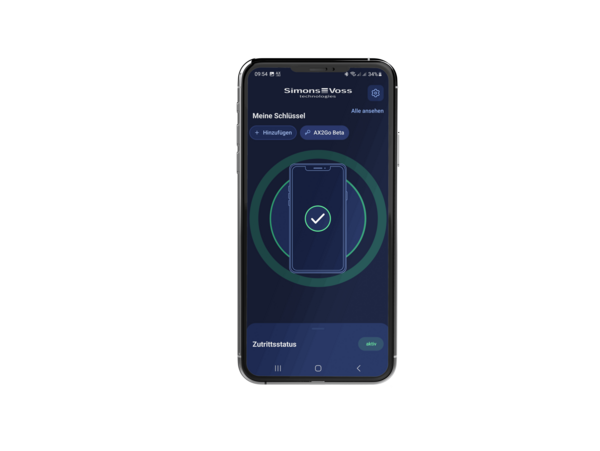
People open doors with credentials: transponders, cards, PIN codes or their smartphone.
Change permissions instantly and review access activity whenever you need to.

Certified to ISO 27001 for information security.

Fittings, cylinders and credentials are easy to replace or adapt, so your system stays future-proof.

No drilling needed. Installation is discreet and quick, even while the building is fully occupied.

User training, maintenance contracts on request and technical support.
Cheadle Parish Church, founded in 1530, is a multi-use community building shared by the church and local groups throughout the week. Mechanical keys were hard to track and the main entrance relied on a widely known code. An online SimonsVoss System 3060, installed in 2018 with mostly digital cylinders and some SmartRelays, now gives the administrator control over access rights and audit trails for every door.
"The system has not only strengthened our security but also allowed us to open our doors to more users, without compromising control." Jon Drayton, Operations Manager
Heritage sites benefit from wireless digital access control systems that improve security while minimising disruption to protected architecture and historic materials.
Yes. SimonsVoss wireless digital locking systems are ideal for heritage and listed buildings because they can often be installed with minimal structural intervention.
Digital access control helps museums secure archives, collections, exhibition spaces and operational areas while improving accountability and simplifying access management.
Yes. SimonsVoss systems support centralised access management across multiple buildings, galleries, museums and heritage estates.
Yes. SimonsVoss systems use encrypted communication and secure credential management to help protect sensitive heritage environments and valuable collections.
Tell us about your site or estate and our UK team will get back to you to discuss your doors, your collections and your priorities.
What you get:
Prefer to talk?
Call the UK team on +44 113 524 6589
or email uk-simonsvoss@allegion.com